
Starting a fitness journey may be both thrilling and intimidating. In fact, you’ve probably seen hundreds of ads for powders, pills, and drinks that promise quicker results. All of these are called supplements. Although they may be beneficial, they are not magic. To stay healthy and save money, you must know what they are and when to use them.
This article will teach you the fundamentals of supplements, which ones are worth consuming, and how to avoid the common beginner mistakes. Let’s discuss it in detail.
What Are Supplements?
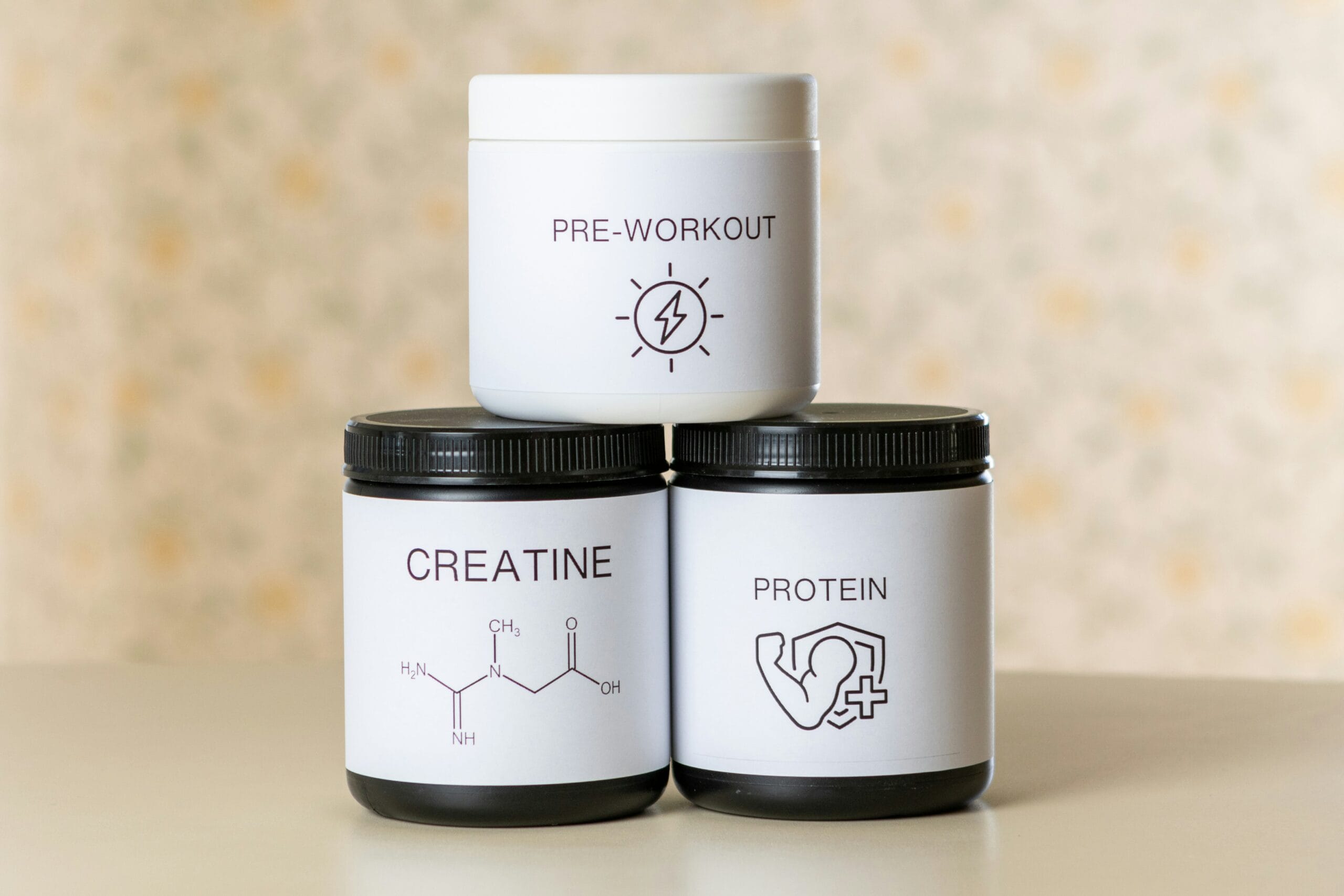
Supplements are products made to fill nutritional gaps in your diet. They can be liquids, powders, or capsules, among other forms. For instance, protein powders, multivitamins, fish oil, and creatine are among the most common. Even though they can help you achieve your goals, they can’t replace actual meals. Instead, see them as tools that help you stay on track when your diet falls short, rather than quick fixes for success. For example, a protein drink can help if you have trouble getting enough protein from your meals. However, you might not need one at all if you constantly consume balanced meals.

Do You Really Need Supplements?
That depends on your goals, nutrition, and way of life. Some people benefit from supplements because they have certain needs. Others can function quite fine without them.
For instance, vegans may require these elements, since iron and vitamin B12 are more difficult to obtain from plant-based diets. Meanwhile, if you’re training hard, creatine may enhance your strength and recovery. However, supplements should never be the initial course of action. Prioritize regular sleep, water, and diet before you start to add more goods. What you eat, how you train, and how well you sleep will largely determine your results.
The Most Common Supplements for Beginners
You don’t need a long list of products when you’re just starting out. In fact, it’s best to keep things simple. These are some well-researched, safe, and useful supplements.
1. Protein Powder
Protein helps in muscle growth and repair. When you’re busy or unable to cook a whole meal, a protein powder can be convenient. For instance, great options are whey, casein, or plant-based proteins like rice and pea. Choose one that fits your taste and dietary needs.
2. Creatine
Creatine is one of the most researched supplements worldwide. It enhances muscular healing, strength, and endurance. A modest daily dosage of three to five grams is sufficient. However, it works best when paired with regular resistance exercise and is safe for the majority of people.
3. Omega-3 (Fish Oil)
Omega-3 supplements support heart, brain, and joint health. They also help in lowering inflammation caused by intense workouts. Furthermore, it can be a valuable supplement if fish isn’t a regular part of your diet.
4. Multivitamins
Small nutritional gaps can be filled with the use of a multivitamin. Although it guarantees your body receives vital vitamins and minerals, it doesn’t take the role of fruits and vegetables.
5. Vitamin D
Take vitamin D if you don’t get much sunlight in the place you live. It boosts vitality, immunity, and bone health. Many people are deficient without being aware of it.
How to Choose Quality Supplements
Choosing the right supplements might be challenging due to the number of options available. Here’s how to make better choices:
1. Check for Third-Party Testing. Look for supplements certified by trusted organizations like Informed Choice or NSF International. These seals indicate that the product has undergone quality and purity testing.
2. Avoid Unrealistic Claims. If a supplement claims to build muscle or burn fat in just a week, it’s likely too good to be true.
3. Read the Ingredients. Select goods with concise, understandable ingredient lists. Avoid unnecessary additives or fillers.
4. Stick to Reputable Brands. Reputable businesses with transparent manufacturing processes are typically more reliable.
5. Consult an expert. It’s wise to consult a doctor or nutritionist before starting any new supplement, particularly if you have any health issues.
For simple meal ideas, visit the Daily Fitness Flow recipes section. It includes plenty of healthy meals that pair perfectly with the right supplements.

Common Beginner Mistakes to Avoid
Even though supplements seem simple, many people misuse them. Here are the most common mistakes, along with tips for avoiding them.
1. Relying Too Much on Supplements
Some believe that they can replace food. But they can’t. The most important thing is always to have a balanced diet.
2. Taking Too Many Products at Once
Combining different supplements may result in unwanted side effects. Always begin with one or two simple ones and observe your body’s reaction.
3. Ignoring Dosages
It’s not always better to have more. Taking more doesn’t guarantee quicker results and may possibly be detrimental to your health.
4. Skipping Research
Never purchase a product based only on an influencer’s recommendation. Instead, always verify the ingredients, dose, and research behind it.
5. Expecting Instant Results
Supplements take time to work. What matters most is still your consistency with training and diet.
When to Take Supplements
When it comes to performance-related supplements in particular, timing can be crucial. Here’s a quick guide:
• Protein powder: Excellent in between meals or after a workout.
• Creatine: As long as you take it on a regular basis, you can take it any time of the day.
• Omega-3 and multivitamins: For optimal absorption, take them after meals.
• Vitamin D: Usually taken in the morning with a high-fat meal.
Above all, consistency matters more than timing. Just make sure you take your supplements daily.
Safety and Side Effects
Most supplements are safe when used properly. Still, they can cause issues if overused. Some vitamins and minerals are toxic in large doses. In addition, some products can even contain unlisted ingredients.
To be safe:
- Read labels carefully at all times.
- Stick to prescribed dosages.
- Avoid combining similar substances.
- Only purchase from trusted brands.
Therefore, if you ever get strange symptoms, stop using the product and see a doctor right away. For more trustworthy health information, visit the National Institutes of Health’s Office of Dietary Supplements (NIH ODS). This reliable source offers data on vitamins, minerals, and performance enhancers that is supported by science.

Are Natural Options Always Safer?
Many individuals think that natural supplements are always better or safer. But that isn’t always the case. Despite their potential benefits, natural goods still need research. “Natural” does not always equate to “harmless.” Herbal supplements, for instance, may interfere with medications. For that reason, before starting anything new, always confirm with your doctor or pharmacist.
How to Build a Simple Supplement Routine
If you choose to take supplements, make sure your routine is simple and sustainable. Here’s a detailed example:
1. Start with a goal. Are you trying to maintain your health, gain muscle, or reduce fat?
2. Select only what is necessary. Choose one or two supplements that fit your objectives.
3. Track your progress. Take notes of how your energy, performance, and recuperation have changed.
4. Maintain consistency. Regular use of supplements maximizes their effectiveness.
5. Re-evaluate every few months. As your level of fitness increases, your needs may also vary.

Making the Most of Your Supplements
Supplements are not miracles, but they can be useful tools. They work best when combined with a balanced diet, appropriate exercise, and adequate sleep. Before purchasing any product, make sure you know what it does, how to use it, and whether you truly need it. Keep in mind that growth comes from your daily habits. Supplements exist to help you stay on track and fill the gaps your diet might miss. Additionally, for more beginner-friendly training and motivating tips, explore the other posts on Daily Fitness Flow. You’ll discover simple advice on how to maintain a strong and long-lasting fitness journey.