
Motivation is often defined as an emotion. However, science shows it is more complicated. It begins in the brain, travels through your body, and subtly influences your decisions. Because of this, your approach to exercise can change if you understand the science behind fitness motivation. This article, which comes from behavior, biology, and psychology research, focuses on what motivates you to exercise.
If you want a more practical guide for tough days, you can check out our post: How to Stay Motivated Even When It Gets Hard

The Psychology Behind Fitness Motivation
Your mental patterns have a big impact on your motivation. Long before you realize it, these patterns influence your choices. In fact, these are referred to as ‘automatic drivers’ by psychologists. They influence how you react to effort, reward, and discomfort. Because of this, you have an advantage if you comprehend them.
Perceived control is one of the most powerful motivators. Your motivation rises when you feel in charge of your actions. Motivation falls when circumstances seem uncertain. Therefore, your brain naturally responds in this way. It prefers stability. To protect you from uncertainty, it lowers your drive. That is why many lose interest in working out when life feels chaotic.
Mental Mechanisms That Shape Your Drive
Mental contrast is another significant motivator. It means picturing your goal and comparing it with where you are now. This triggers your brain’s problem-solving systems. As a result, you feel inspired to act. Research shows that mental contrast strengthens workout consistency without requiring willpower.
Furthermore, self-efficacy causes the brain to react. This is your confidence in the ability to finish a task. Motivation increases when self-efficacy is high. When it is low, even easy exercises appear challenging. This is why two people with the same goal may have very different levels of commitment. They hold distinct beliefs. These beliefs shape their motivation.
It’s interesting to mention that cognitive flexibility also affects motivation. This is your ability to alter your perspective. Flexible thinkers are better at overcoming challenges. They adjust and seek solutions. As a result, people stay motivated to work out even when life gets tough. This psychological trait predicts consistency more precisely than enthusiasm or inspiration.
You can read this American Psychological Association overview for a more thorough description of these psychological mechanisms.
The Biology of Motivation and Movement
Motivation is not just psychological. It’s also biological. The brain uses chemicals, signals, and responses to interact with the body. These produce physical reactions that impact your decisions. Therefore, your biology directly affects your will to work out.
Dopamine regulation is one of the primary biological factors. Dopamine plays a role in learning, reward, and behavior. But a lot of people don’t understand it. Dopamine does not create pleasure. Instead, it builds anticipation. It pushes you to do actions that lead to a reward. This fuels your exercise drive. Your drive changes with dopamine levels.
How Your Body Reacts to Stress and Movement
Stress response is another crucial component. Stress has a direct impact on your biology. When stress hits, your body releases cortisol, your pulse rises, and your entire system switches into an alert state to prepare for action. For example, short-term stress can improve performance. On the other hand, long-term stress drains your energy. As a result, workouts feel harder. You become less likely to move. This explains why even motivated people often skip training during stressful times.

Additionally, your neuromuscular system is involved. Motivation rises when your brain perceives movement as efficient or pleasurable. Your body remembers positive movement experiences. Moreover, these experiences influence your future choices. As a result, natural and comfortable exercises create more long-term commitment.
Lastly, energetic readiness shapes biological motivation. This is not the same as sleep or diet, which we discussed in our initial post. We refer to neural activation levels as energetic readiness. Your coordination gets better while your brain is active. You become more responsive. Your system gets ready to go. Even before you begin, this internal state boosts motivation. When activation is low, your body signals you to rest. Your motivation matches these signals.
These biological cycles explain why motivation varies on a daily basis. It’s not inconsistent. It’s your body reacting to your inner state.
The Hidden Forces That Drive You to Exercise
Numerous invisible factors influence motivation. These forces work in the background of your everyday life. They affect your behavior without you having to think about it. Once you understand them, you can maintain your routine more easily.
Environmental priming is one hidden driver. This happens when your environment unconsciously sets off motivational responses. Even lighting, sounds, and colors affect how ready your brain is to move. For instance, specific circumstances activate your awareness systems. Others promote serenity. Your motivation naturally increases when these signals match with your goals.

Similarly, temporal motivation is another unknown element. This explains how the brain assesses timing. It balances the present with the benefit in the future. Motivation wanes if the payoff seems far away. Motivation increases if it seems close. This mechanism explains why people struggle with long-term goals. The brain prefers instant gratification. After you realize this, you can modify your exercise routines to accommodate the timing preferences of your brain.
Internal narratives are also important. These are the stories you tell yourself. They mold your feelings. Motivation increases when stories are empowering and decreases when they are restrictive. These internal messages activate different brain pathways. How you talk to yourself affects your motivation.
Behavioral momentum is the last hidden factor. It means that taking action leads to more action. Your brain gains momentum as you begin to move. This momentum boosts your drive. It makes working out seem more effortless. A quick warm-up might double your motivation to work out because the brain’s motor pathways are activated. This shows why starting is often the hardest step. Momentum takes care of the rest.
How to Use This Science to Improve Your Workout Motivation
Science can influence your behavior in simple but effective ways.
- To start, use mental stimulation first. Pair your exercise with a particular sound, smell, or item. Your brain gradually learns to correlate the trigger with action. This association quickly boosts your inner drive.
- Second, use mental contrast. Imagine the goal you want to achieve. Next, picture where you are right now. This contrast activates brain circuits that push you forward.
- Third, control your cognitive load. Making too many choices lowers motivation. Limit options prior to training. Reduce distractions to help you mentally prepare. Your brain will react with more readiness and clarity.
- Fourth, develop experiences of movement flow. Select comfortable exercises. Steer clear of unpleasant or uncomfortable movements. Flow boosts motivation by activating reward circuitry.
- Activate behavioral momentum as the fifth step. Start gently. Take a minute to move. Stretch. Take a walk around. Your urge to work out naturally rises.
- Optimize temporal alignment as the sixth step. When your brain is at its most awake, that is when you should train. For many, it can be late morning or early afternoon. It’s evening for others. You enhance exercise consistency by matching your biological timing.
- Lastly, change internal beliefs. Neutral or encouraging thoughts should replace restrictive ones. This change alters the emotional tone of your exercise choices. It becomes easier to stay consistent.
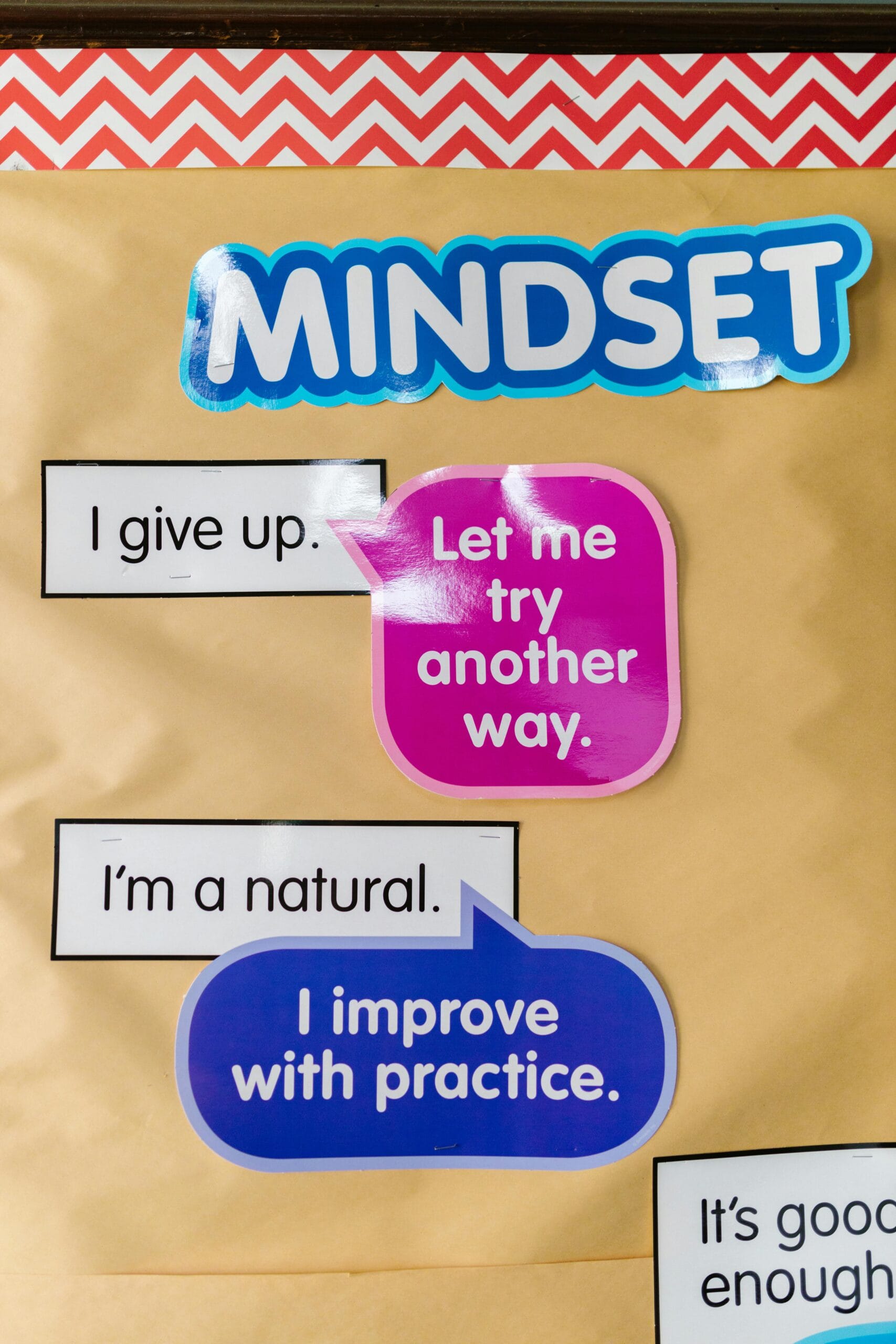
How Motivation Really Works and How to Use It to Stay Consistent
Motivation is not luck. It’s not magic. It is not something that you possess or lack. It is a system influenced by behavior, biology, and psychology. You can impact motivation after you understand how it functions. You are able to create it. It allows you to improve your fitness journey without having to keep using the same tactics.
Control, contrast, anticipation, timing, velocity, and emotion all cause your brain to respond. Often, you might not realize how these factors influence your workout routines. Your training becomes more organic once you start working with them rather than against them. You become more consistent and start to make predictable progress.
Go back to our initial post for a more useful set of motivational tools for tough days: How to Stay Motivated Even When It Gets Hard. You may build a strong basis for long-lasting fitness motivation by combining personal awareness with scientific understanding. This knowledge enables you to develop a more meaningful and long-lasting relationship with movement.