
The challenging exercises and dietary adjustments are not the most frustrating aspects of any fitness program. It is the moment when you are doing everything “right,” yet the desired results are not showing up. This is when many people start wondering how to stay motivated when progress is slow. You attempt to take care of your body, you eat better than before, and you train regularly. However, nothing seems to change when you stand on the scale or look in the mirror. Many people lose motivation during this stage and quietly give up.
If you want to succeed in fitness long term, one of the most important things you can learn is how to stay motivated when progress is slow. Slow progress is often an indication of genuine change occurring beneath the surface, not a failure. In this article we will discuss why progress may seem invisible, why motivation drops throughout this stage, and most importantly, what actually keeps you motivated without giving up or burning out.

Why Fitness Progress Often Feels Slow or Invisible
Fitness rarely advances in a straight line. The body gradually adjusts, and many of the most significant changes occur on the inside before they show on the outside. Gains in strength, coordination, hormone balance, and metabolic efficiency often occur long before obvious physical changes like muscle definition or fat loss.
The fact that many people rely on unreliable feedback sources is another reason why progress seems to be moving slowly. Water retention, stress, sleep quality, and sodium intake can cause daily variations in the scale. The mirror is subjective and impacted by lighting, posture, and even mood. As a result, even when their body is reacting well, many come to the conclusion that nothing is working.
It is essential to understand this if you want to know how to stay motivated when progress is slow. You will continuously feel frustrated and doubt your efforts if you do not understand that slow fitness progress is normal. The lack of progress is not the issue. The issue lies in the inaccurate measurement of progress.
Why Motivation Drops When Progress Is Slow
Feedback and motivation are tightly related. Your brain gets a reward signal when you work hard and see benefits right away. As a result, the behavior is reinforced by a positive feedback loop. That reward signal diminishes or vanishes completely when progress becomes slow or invisible. Because of this, motivation slowly starts to fade.
This does not imply that you lack self-control or mental strength. It simply means that your brain isn’t getting the feedback it needs. In response, many people increase their workout, push harder, or reduce their food intake. Unfortunately, this often results in exhaustion, frustration, and ultimately burnout.
If you want to fully understand how to stay motivated when progress is slow, you must stop depending only on visible results for motivation. Rather, you must develop new metrics for success and reconstruct the feedback loop in a more sustainable and healthier way.

How to Stay Motivated When Progress Is Slow by Redefining Progress
Redefining what progress truly means is one of the best strategies to maintain motivation during slow or invisible progress. Most of the people just consider appearance or weight loss when defining progress. Although those results are important, they are not the only measures of success.
Further indicators of progress are better performance, more energy, quicker recovery, and increased consistency. Your body is changing if you are lifting more weights than you used to, finishing exercises more quickly, or experiencing less fatigue throughout the day. Even though these changes are not immediately visible, they are significant.
You can develop a more reliable source of motivation by focusing on these internal and performance-based indicators. When visual improvement is slow, this method makes it much simpler to maintain consistency in fitness.
The Role of Identity in Long-Term Fitness Motivation
Another effective tactic for maintaining motivation when progress is slow is changing from outcome-based motivation to identity-based motivation. You start working out because it fits with your identity rather than because you want to achieve a particular outcome.
Your actions become less reliant on immediate results when you consider yourself to be “someone who trains regularly” or “someone who takes care of their health.” You no longer require constant proof of the effectiveness of your efforts. Being present becomes a success in itself.
This idea is significantly supported by behavioral psychology and habit research. Because identity-based behaviors are based on self-image rather than transient drive, they are more resilient. James Clear’s work on habits can teach you more about this strategy.

Why Discipline and Systems Matter More Than Motivation
Motivation is unpredictable and emotional. On the other hand, systems and discipline are stable. It is dangerous to rely only on motivation when progress is slow, because it naturally varies. For this reason, those who succeed in long-term fitness prioritize routines above motivation.
The need to continuously “feel motivated” is lessened by a straightforward strategy, such as training on certain days or planning meals ahead of time. Instead of acting out of excitement or inspiration, you act because it’s part of your routine. Even when progress seems invisible, this consistency builds up over time and yields results.
This theory is supported by behavioral science research, which demonstrates that established routines are far more successful than motivation-driven behavior. Here is a useful summary of this study.

How to Stay Motivated When Progress Is Slow Without Obsessing Over Results
Obsessing over uncontrollable consequences is one of the most common mistakes people make during slow progress. Numerous factors, such as hormones, stress, sleep, and heredity, affect weight, body fat percentage, and visual changes. Exclusively concentrating on these results lowers motivation and creates frustration.
A better strategy is focusing on process goals. Process goals prioritize activities over outcomes. For instance, you can commit to three workouts a week, prioritize protein intake, or stick to a regular sleep pattern. A sensation of achievement is reinforced by each task performed, which keeps motivation high.
This change is crucial if you want to learn how to stay motivated when progress is slow in a practical and mentally healthy way.
The Hidden Impact of Comparison on Motivation
Comparison is another significant factor contributing to the loss of motivation amid slow growth. Social media often displays carefully chosen, context-free photos of fitness success. The years of training, the failures, and the lifestyle elements that contributed to those outcomes are rarely visible.
Your personal growth will always seem insufficient when you contrast it with someone else’s highlight reel in the early or middle stages. This contrast lowers motivation and creates unrealistic expectations.
Limit comparison and concentrate on your own path to protect your motivation. Where you are now and where you were a few months ago are the only relevant comparisons. This mindset decreases frustration and supports long-term consistency.
When Slow Progress Is Actually a Sign of Sustainability
Slow progress is often an indication that you are doing things correctly, despite the fact that it may seem paradoxical. Rapid changes are rarely sustainable and can come at the expense of one’s health, vitality, or emotional well-being. Gradual adaptation, recovery, and balance are key components of sustainable fitness growth.
You are building the foundation for long-term success if you can stick to your schedule without feeling exhausted or deprived all the time. This is particularly crucial if your objective is long-term fitness rather than a temporary transformation.
If staying consistent feels challenging during this phase, you may find it helpful to read How to Stay Motivated Even When It Gets Hard, where we explore practical ways to keep going when motivation fades.
How to Stay Motivated When Progress Is Slow: Knowing When to Adjust
Although patience is crucial, it’s also important to know when adjustments are required. A change might be necessary if you have been consistent for several months, are getting enough sleep, are controlling your stress, and are acting according to your plan precisely, but your performance or general well-being has not improved.
However, rather than being reactive, modifications should be thoughtful and calculated. Drastic overhauls are often less successful than minor changes to training volume, diet, or recovery. Progress, not perfection, is the goal.
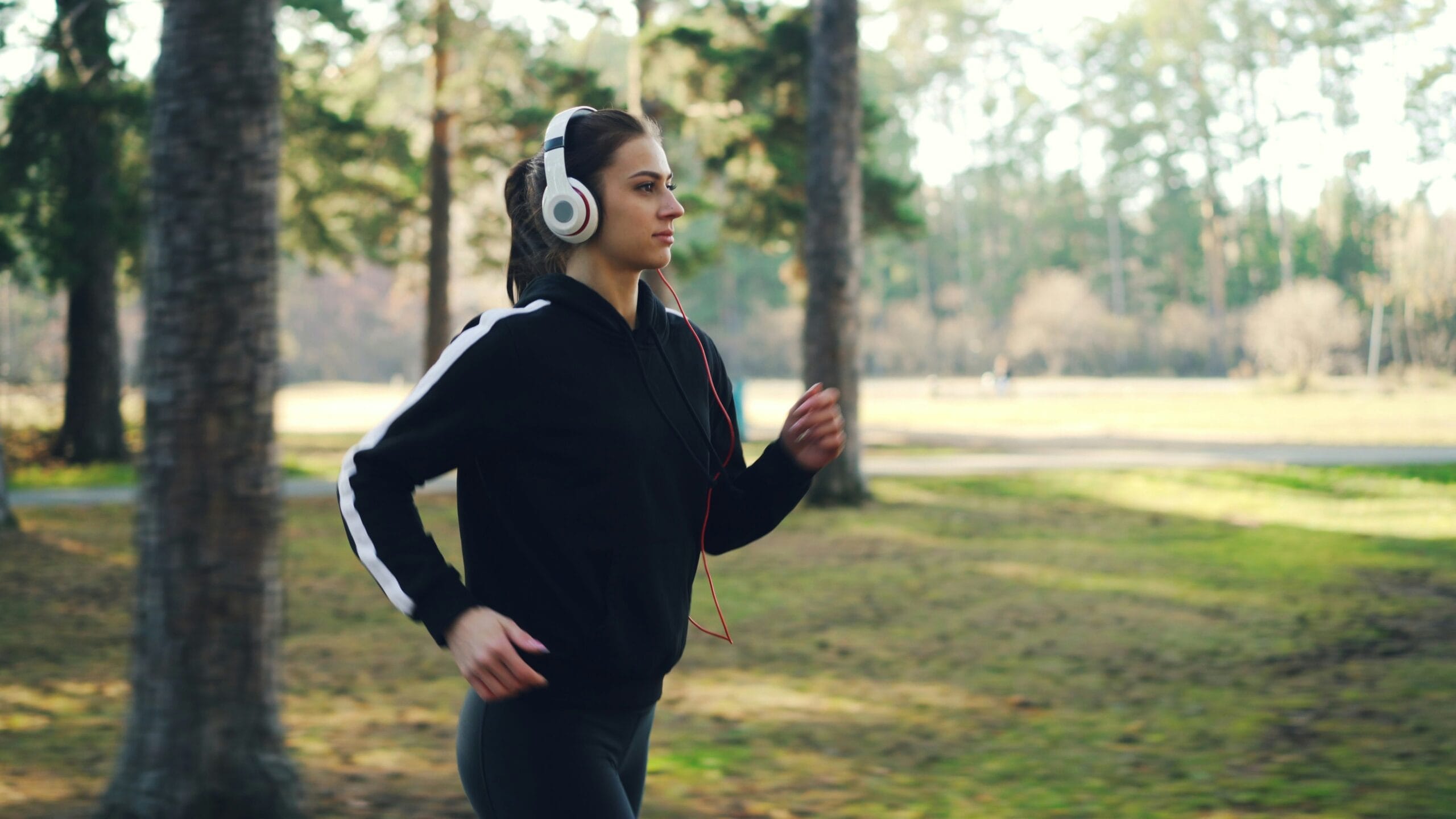
Staying Motivated Through Invisible Progress
It’s not an indication that you’re failing when your development seems slow or invisible. It is a typical and unavoidable aspect of every significant fitness journey. Successful people don’t avoid this stage; rather, they learn how to maintain motivation while things go slowly.
You develop a mindset that supports long-term success by redefining progress, focusing on identity and systems, avoiding harmful comparison, and placing consistency before intensity. There will be noticeable outcomes, but they will take time. The most important thing is that you continue to show up even when the benefits are not immediately visible.
You are already farther along than you realize if you continue to train, learn, and be dedicated.