
Why Strength Training for Women Matters
Although strength training for women has been increasingly popular recently, there are still a lot of myths that prevent women from lifting weights. There is a misconception that resistance training will make women bulky. However, there is no scientific evidence to back this claim. Actually, adding strength training to your routine can improve your overall health, increase metabolism, and change your body composition. Beginner strength workouts are particularly effective for women, as they help tone muscles, improve posture, and increase confidence.
The process can be less intimidating by understanding the proper techniques, dispelling popular fitness myths, and following beginner-friendly plans. Strength training can be a game changer for your fitness journey, regardless of your level of experience. In this guide, we’ll look at common myths, useful advice, beginner plans, and crucial tactics to help women reach their fitness goals in a safe and efficient manner.
Common Fitness Myths About Strength Training for Women
Myth 1: Lifting Weights Will Make You Bulky
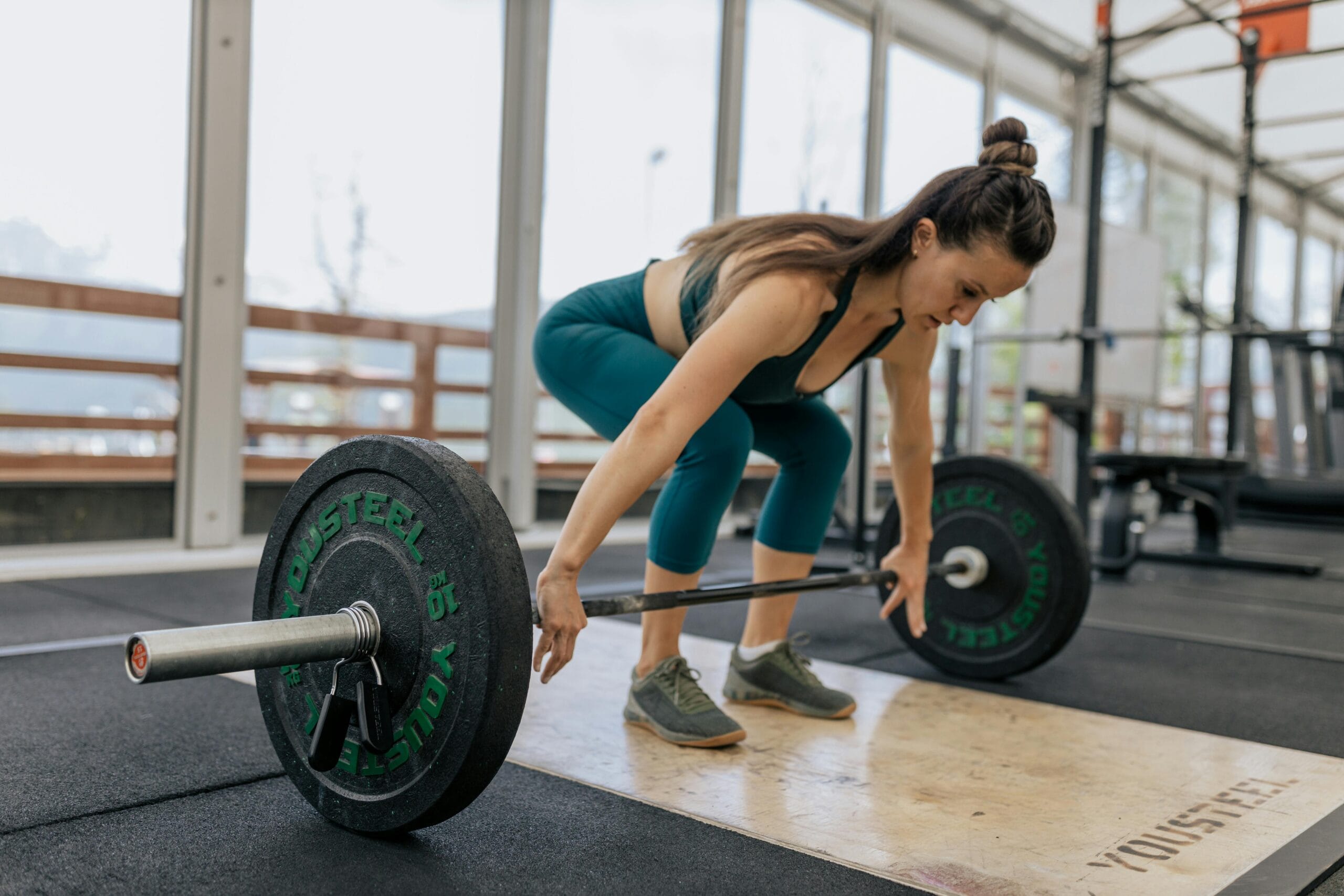
One of the most persistent misconceptions is the idea that women who lift weights will get big, manly muscles. Many women are afraid to even try because of this fear. However, significant muscular growth is quite unlikely because women’s testosterone levels are naturally lower than men’s. Instead of adding bulk, strength training helps enhance overall strength, tone the body, and shape lean muscle.
Women can progressively gain muscle while burning fat by participating in beginner strength workouts, giving them a more defined and athletic body. Regular resistance training increases body confidence and energy levels instead of making you bulky. According to experts like those quoted by Healthline, women can comfortably lift weights without worrying about gaining too much muscle.
Myth 2: Cardio Alone Is Enough to Lose Fat
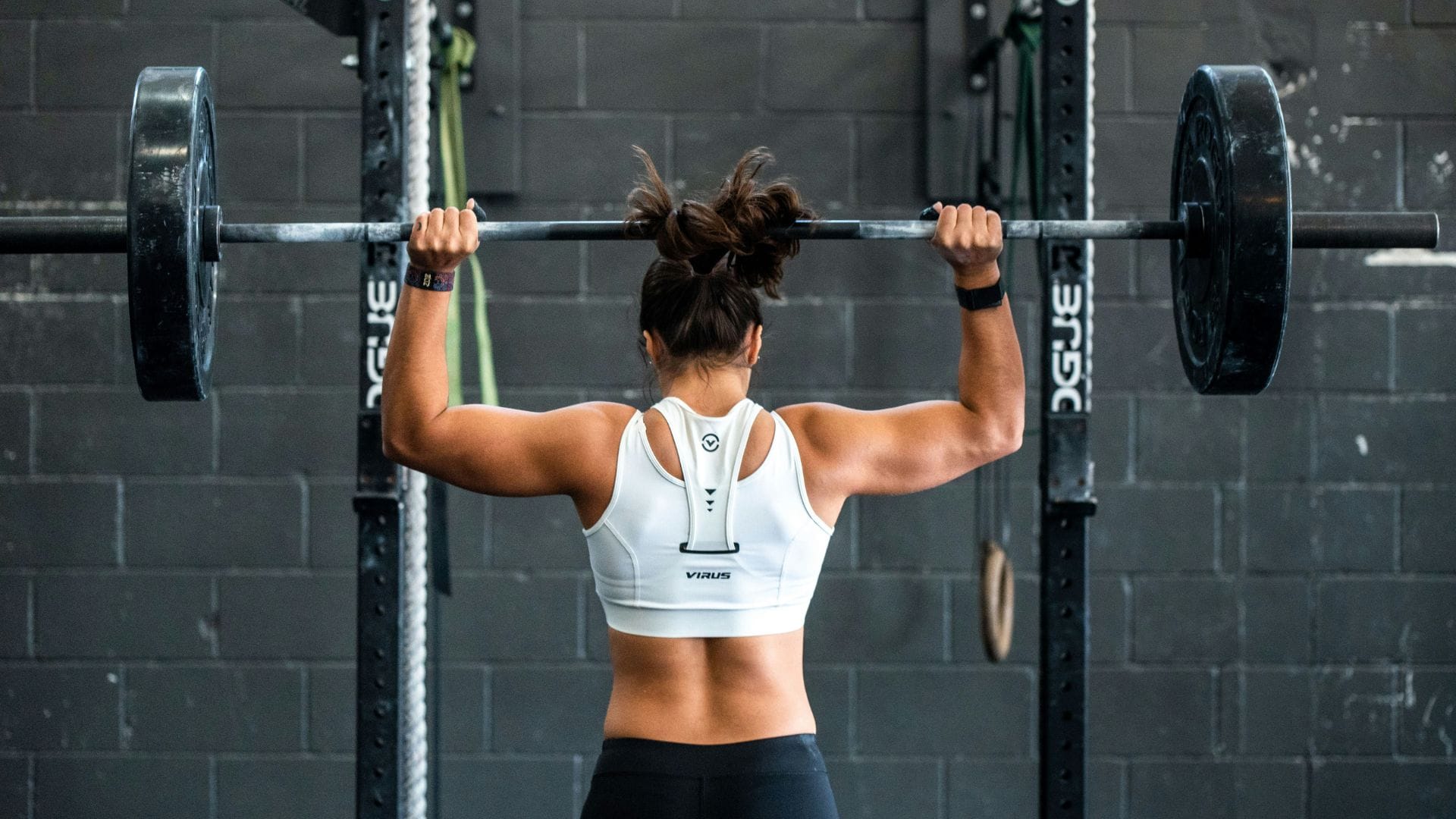
Another common misperception is that fat loss may be achieved solely through cardiovascular exercise. Cardio burns calories and strengthens the heart, but it doesn’t enhance fat loss or maintain lean muscle mass. Women who only do cardio may lose weight at first, but if they don’t do strength training, they risk losing muscle mass and lowering their metabolism.
Strength training enhances cardio by increasing muscular mass, which results in a raised resting metabolic rate. Even when at rest, this combination increases the amount of calories burned throughout the day. Resistance training also improves posture, strengthens bones, and prevents injuries. A well-balanced exercise routine that includes both cardio and strength training is crucial for long-lasting results.

Myth 3: You Need Hours in the Gym Every Day
Many beginners think that working out for several hours every day is necessary to get results. In reality, simple, regular workouts are often more effective. Strength and fitness can be significantly increased with just 30 to 45 minutes, three to four times a week. Rather than time spent, the focus should be on proper form, progressive overload, and consistency. By breaking workouts into smaller sessions, women can stay motivated and prevent burnout. Beginners will see improvements over time without spending large amounts of time exercising because consistency and quality are crucial.
Benefits of Strength Training for Women
Beyond aesthetics, strength training has many psychological and physical advantages. First, it boosts metabolism by increasing lean muscle mass. Muscle burns calories while at rest, unlike fat tissue, which helps with weight management and fat loss. Women who include resistance exercise in their routines often use calories more effectively throughout the day.
It also strengthens bones. As women age, weight-bearing exercises lower their risk of osteoporosis and fractures by increasing bone density and stimulating bone production. Long-term mobility and independence depend on maintaining bone strength.
Third, strength training improves mental health and mood. Endorphins are released during exercise, which reduces stress, anxiety, and depressive symptoms. People who exercise often report increased confidence, better sleep, and higher energy levels.
Finally, strength training supports functional fitness. Activities like carrying kids, hauling groceries, and climbing stairs are made simpler with strong and well-coordinated muscles. Functional strength lowers the risk of injuries in day-to-day activities and enhances quality of life.
For more research on the benefits, you can visit Mayo Clinic’s guide to strength training.
Beginner Strength Workouts for Women
Full-Body Workout Plan
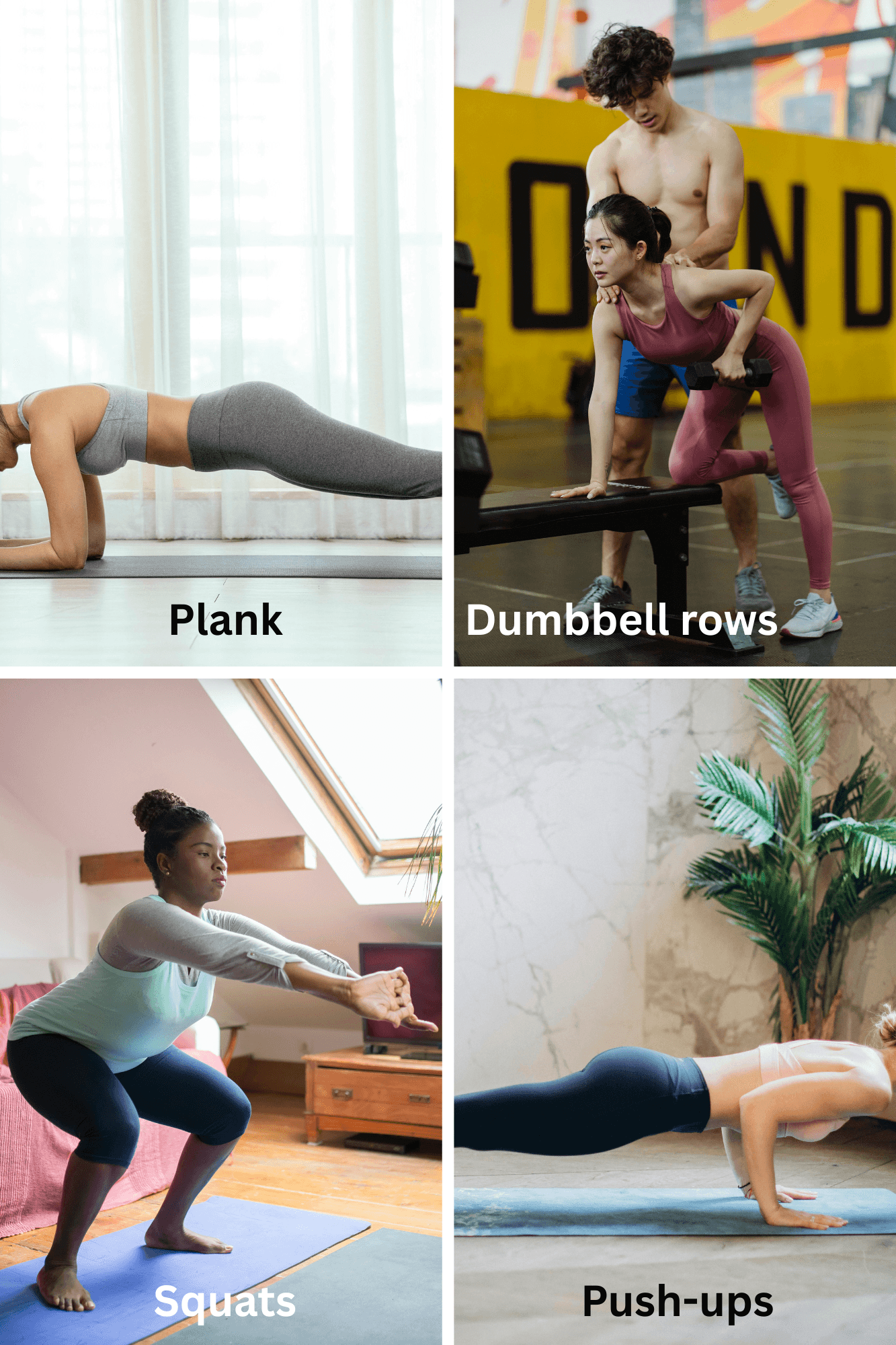
A full-body workout is a great starting point for beginners. It can be done two or three times a week and targets all of the major muscle groups. A basic plan might include planks, push-ups, dumbbell rows, and squats.
Push-ups improve upper body strength, while squats build the legs, glutes, and core. Planks work the core muscles, while dumbbell rows work the biceps and back. For beginners, it is sufficient to perform three sets of each exercise with correct form in order to noticeably improve. Progress can be maintained over time by progressively increasing repetitions, weight, or duration.
Resistance Band Routine
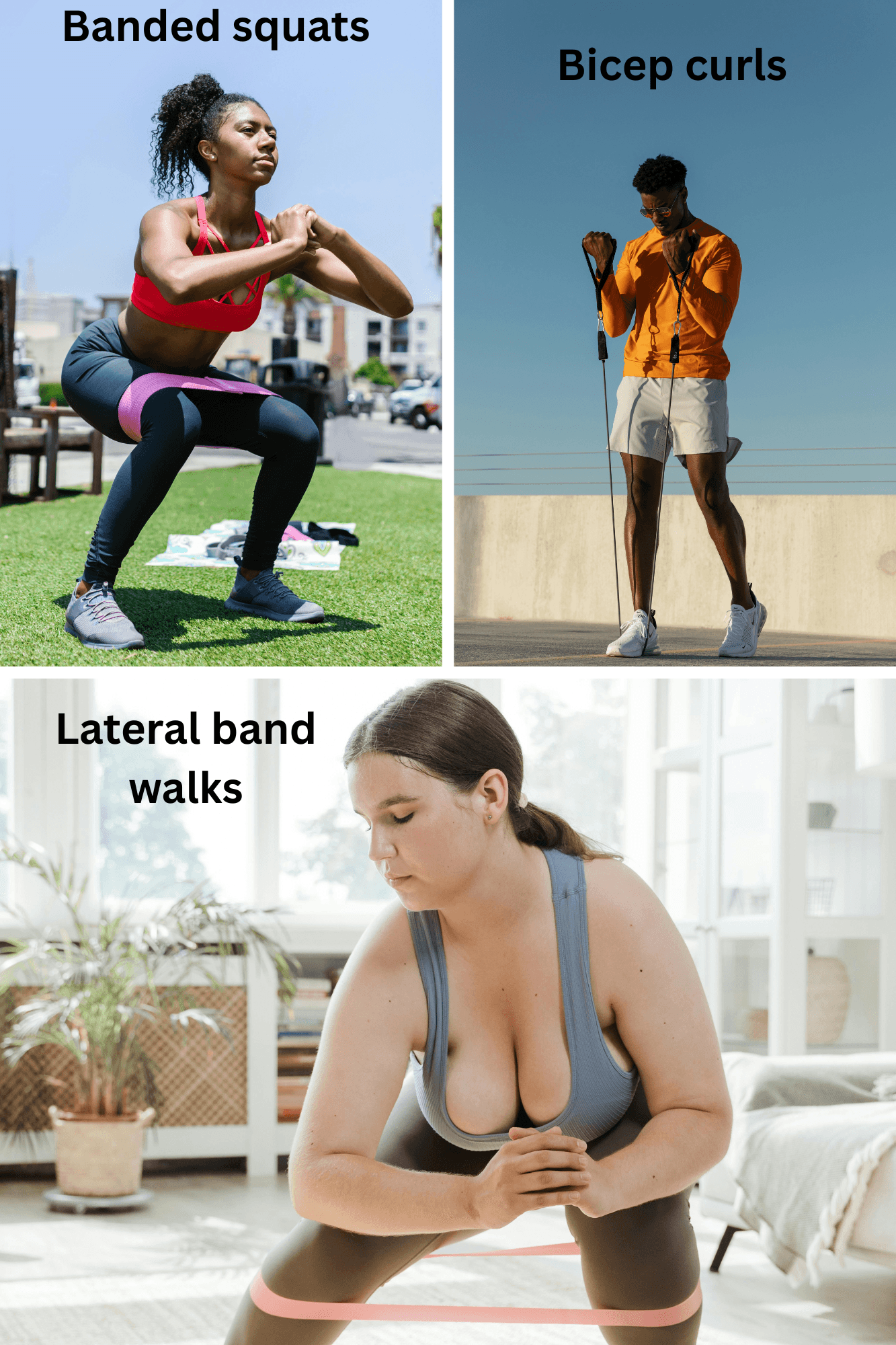
Resistance bands are perfect for home workouts because they offer efficient resistance without the need for bulky equipment. Exercises that activate various muscular groups include banded squats, bicep curls, and lateral band walks. Bands are ideal for women who like to work out at home or while traveling because they are affordable, adaptable, and portable.
Additionally, using resistance bands can boost joint stability, increase mobility, and aid in injury rehabilitation. As they acquire strength, beginners should start with lighter ones and progressively raise the tension in their resistance bands.
Tips for Progression
Long-term results depend on progress. Women should progressively increase the weight, resistance, or number of repetitions in their workouts. Using a journal or app to track performance aids in keeping track of progress and sustaining motivation. Rest days are just as crucial since muscles require time to heal and grow.
For additional beginner plans and a structured approach to building strength, see our complete beginner workout plan.
Nutrition Tips for Women Who Lift
Proper nutrition is crucial for muscular growth, recovery, and overall performance. Eggs, chicken, beans, and protein drinks are all important sources of protein. Complex carbohydrates, such as quinoa, brown rice, and oats, supply energy for workouts.
Water is essential for metabolism, muscle repair, and overall health, so it should never be disregarded. Nuts, avocados, and olive oil are good sources of healthy fats that support energy balance and hormone management.
According to scientific studies, women who participate in strength training routines and maintain a healthy diet have better muscular growth and recovery.

Staying Motivated With Strength Training for Women
Being consistent can be challenging, especially for beginners. Establishing both long-term and realistic short-term goals can maintain motivation. A measurable goal would be to raise the number of squat repetitions by five in two weeks.
Participating in an online or offline community can promote accountability and enhance the enjoyment of working out. Celebrating minor victories, like improving form or resistance, strengthens good habits and boosts confidence. These techniques eventually establish a sustainable routine that becomes part of everyday life.
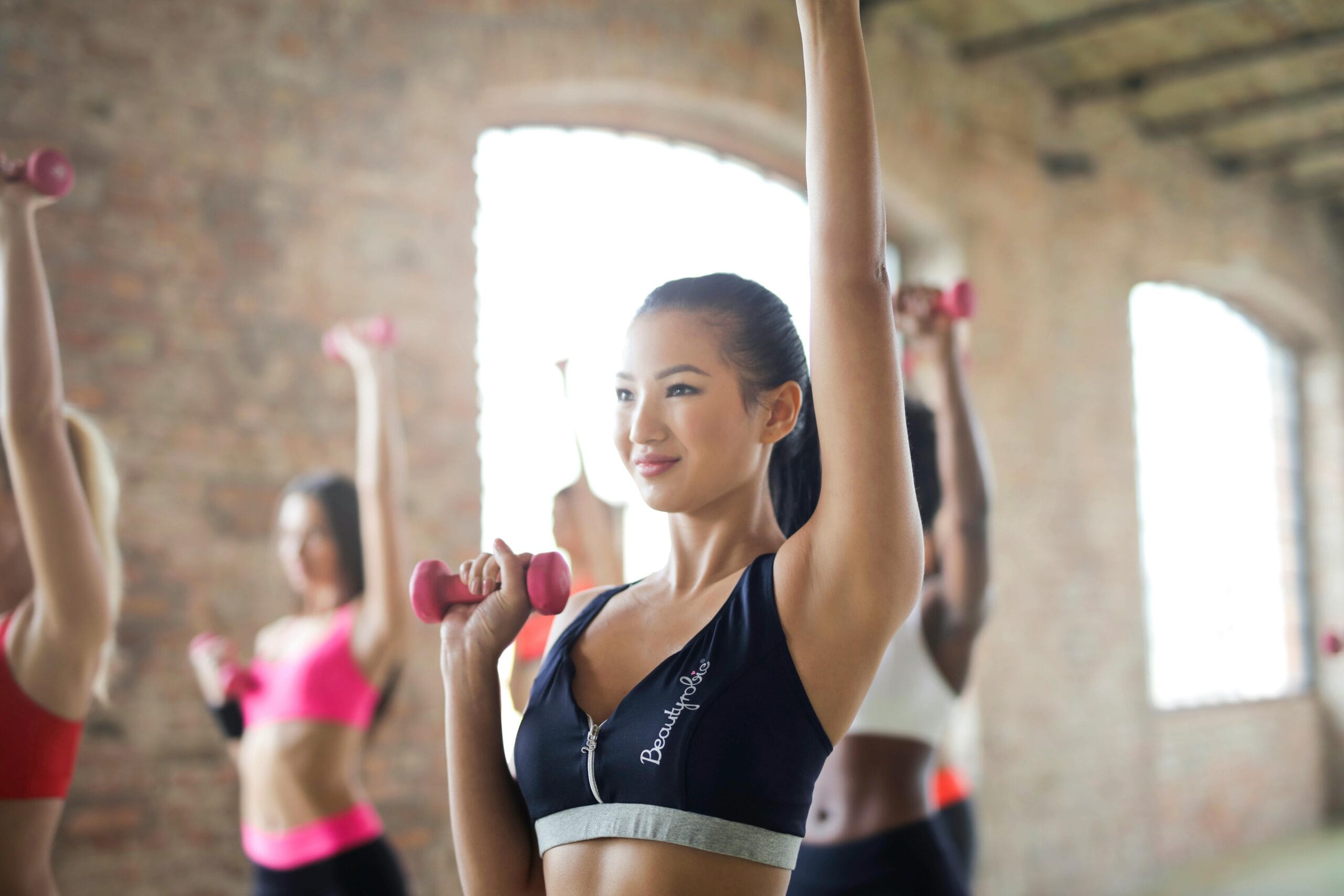
Common Mistakes to Avoid
Women often make mistakes that slow progress or lead to injury. For instance, skipping warm-ups might lead to strained muscles and poor performance. In order to maximize benefits and avoid injuries, proper technique is essential.
Another common problem is neglecting recovery. It is crucial to take at least 48 hours between sessions that target the same muscle area because muscles strengthen during rest periods. Comparing yourself to other people can also be depressing. For long-term success, it is much more productive to concentrate on personal development and realistic goals.
Strength Training for Women: How to Get Started and Stay Consistent
Strength training for women is a safe, effective, and empowering fitness strategy. Women can gain strength, confidence, and better health by dispelling common misconceptions, following beginner plans, and using useful exercise advice.
Sustainable outcomes can be achieved by starting small, being consistent, and placing a high priority on nutrition. Over time, strength training not only changes the body but also improves mental resilience and quality of life. Today is the first step toward becoming a stronger, healthier, and more confident version of yourself.