
Gut health used to be a niche wellness topic, but in recent years, it has become one of the most researched topics in modern nutrition. More people are becoming aware of the fact that digestion affects much more than just the stomach. Actually, gut health impacts immunity, energy, mental clarity, hormonal balance, and even athletic recovery. This increasing awareness has led to a sharp rise in interest in supplements for gut health, particularly among athletes who want to maximize both health and performance.
But even with the increased use of gut-related products, many people still feel overburdened. Despite serving very different functions, many people frequently use terms like probiotics, prebiotics, and postbiotics synonymously. As a result, knowing what truly works and what is just marketing hype gets challenging. The purpose of this guide is to provide a clear explanation of how gut health works, how supplements support it, and how you can make better decisions that actually help your body.

Disclosure: This post contains affiliate links. If you purchase through these links, I may earn a small commission at no extra cost to you.
What Are Supplements for Gut Health and How Do They Work?
Fundamentally, the goal of supplements for gut health is to maintain the balance of the gut microbiome, known as the microorganisms that live inside your digestive tract. In this ecosystem live trillions of bacteria, fungi, and other microorganisms that are essential to digestion and general health. When this system stays in balance, your body efficiently digests food, absorbs nutrients properly, controls inflammation, and supports strong immune defenses.
However, issues can arise when the microbiome becomes unbalanced, a condition known as dysbiosis. Bloating, poor digestion, exhaustion, compromised immunity, and elevated inflammation are a few of them. Eventually, poor gut health can lead to chronic illnesses.
The National Institutes of Health states that gut microbiome can directly impact metabolism, immunological response, and disease risk. According to the Mayo Clinic, probiotics can also aid in reestablishing microbial balance and promoting digestive health. This expanding body of research explains why digestive health supplements are now considered a fundamental component of many wellness routines.
Supplements for Gut Health Explained: Probiotics, Prebiotics & Postbiotics
Exploring the connection between probiotics, prebiotics, and postbiotics is crucial to understanding how gut supplements function. This is where the distinction between probiotics and prebiotics becomes important.
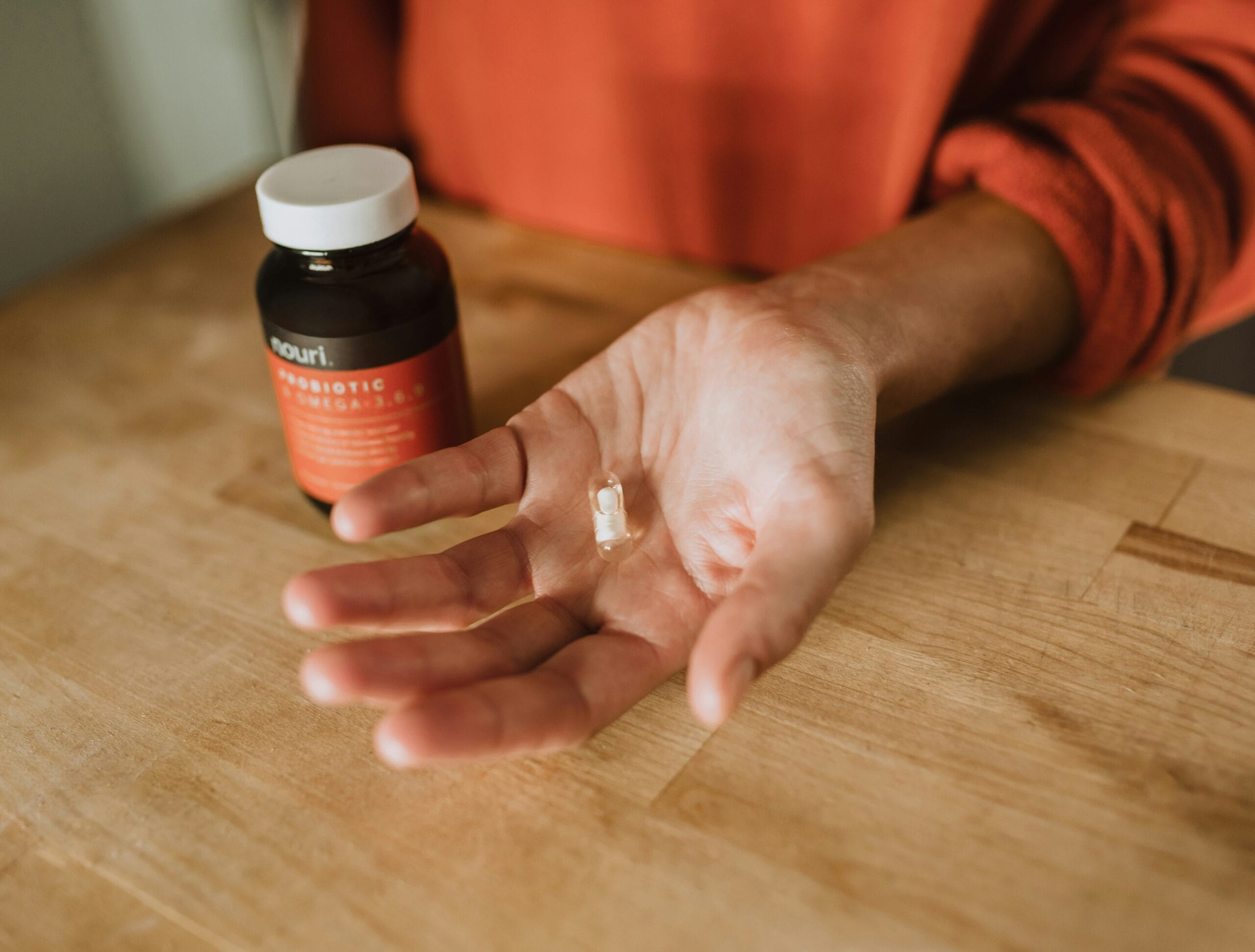
Probiotics are living, helpful bacteria that directly increase the number of good bacteria in your digestive system. These organisms aid with digestion, boost immunity, and drive away harmful bacteria. Reduced bloating, better intestinal regularity, higher nutritional absorption, and increased resistance to infections are just a few of the well-established probiotic benefits. Although supplements offer a more reliable dosage, probiotics are typically taken as capsules, powders, and fermented foods.
In contrast, prebiotics are not bacteria at all. Rather, they are specific fibers that provide food for probiotics. Probiotic bacteria have difficulty surviving and multiplying in the absence of prebiotics. As a result, prebiotics establish the conditions necessary for probiotics to thrive. Even though they are naturally present in foods like garlic, onions, bananas, oats, and asparagus, many people don’t get enough of them by diet alone. Because of this, supplements for gut health formulas often include prebiotic supplements.

Postbiotics have also been discussed lately. If you’re wondering what postbiotics are, they are basically the healthy substances that are created when probiotics digest prebiotics. Postbiotics are not living things, unlike probiotics. Rather, they are metabolic byproducts that aid in immune response regulation, inflammation reduction, and gut lining strength. Postbiotics are becoming more and more popular as a useful addition to contemporary gut-support products because they are stable and don’t need to be refrigerated.
Probiotics, prebiotics, and postbiotics all function together. Probiotics introduce beneficial bacteria, prebiotics nourish them, and postbiotics deliver functional health effects. They serve as the cornerstone of the best supplements for gut health when correctly combined.
Signs You May Benefit from Supplements for Gut Health
Many people have subtle digestive problems but are unaware that their gut may be having problems. Persistent bloating, irregular bowel movements, exhaustion after meals, frequent colds, or unexplained food sensitivities can indicate an unbalanced microbiome. In these situations, supplements for bloating and general gut health can help bring the digestive system back into balance.
Stress, sleep deprivation, antibiotics, highly processed foods, and intense exercise can also disturb gut microbes. These elements eventually make it more difficult for your body to sustain balance on its own. For this reason, instead of waiting for severe symptoms to appear, many people are now using supplements for gut health as part of a preventative strategy.

Choosing the Best Supplements for Gut Health in 2026
The supplement market is still developing, and the products on the market now are significantly better than they were ten years ago. Several probiotic strains, prebiotic fibers, and occasionally postbiotics are now combined in high-quality formulations to provide full support. To improve nutritional absorption and encourage regularity, many additionally add fiber or digestive enzymes.
However, not every product is made equally. The best supplements for gut health usually have third-party testing, professionally tested strains, and clear labeling. Avoiding artificial additives and needless fillers is also important. It is often more effective to start with a straightforward, well-rounded formula rather than taking many different products at once.
One popular option many people choose is Physician’s CHOICE, a multi-strain formula designed to support digestion and immune health. You can check the current price and reviews here.
Additionally, consistency is important. It may take several weeks to see noticeable changes because gut flora require time to adapt. Therefore, while introducing new digestive health supplements, patience is crucial.
Supplements for Gut Health for Active Individuals and Athletes
Gut health is even more important for those who exercise frequently. Exercise stresses the digestive system and raises nutritional demands. As a result, there is growing interest in gut health for athletes.
A balanced microbiome can enhance protein absorption, reduce inflammation, strengthen immunity, and support post-workout recovery. Both strength trainers and endurance athletes will find this especially helpful. Many athletes have noticed that optimizing gut health can improve energy levels and reduce stomach problems during exercise. For active people, a daily probiotic like Physician’s CHOICE can help support recovery and nutrient absorption, especially during intense training periods.
If recovery is a top priority for you, you might find this article useful as well: The Best Supplements for Muscle Recovery: What Actually Works?

Avoiding Common Mistakes with Gut Supplements
Despite being effective tools, supplements for gut health are frequently abused. Taking too many goods at once is a common mistake that can overwhelm the digestive system. Neglecting fiber and water, which are both crucial for gut health, is another mistake. Furthermore, expecting results overnight often results in disappointment. This is quite similar to what we covered in our guide: Why Too Many Supplements Don’t Mean Better Results.
A more successful strategy includes starting slowly, keeping an eye on your body’s reaction, and making little adjustments.
How to Improve Gut Health Naturally Alongside Supplements
Although supplements for gut health offer targeted assistance, they are most effective when paired with healthy lifestyle choices. Eating whole foods, boosting dietary fiber, controlling stress, drinking plenty of water, and making sleep a priority lead to a better microbiome. When taken regularly, fermented foods like yogurt, kefir, and sauerkraut can increase probiotic benefits. Understanding how to improve gut health naturally guarantees that supplements support a healthy lifestyle rather than replace it.

Why Supplements for Gut Health Matter for Long-Term Wellness
Your gut impacts almost every system in your body. It has a significant impact on everything from immunity and digestion to energy and recovery. You may build a solid foundation for long-term wellness by learning about probiotics, prebiotics, and postbiotics and selecting high-quality supplements for gut health.
Keep in mind that supplements are not quick fixes. Rather, they are helpful tools that promote healthy behaviors. They can help you feel better, perform better, and maintain balance from the inside out when taken wisely and consistently.
You might also like the following guide for a complete summary of modern supplementing techniques: Top 10 Supplements Experts Recommend in 2026