
Muscle recovery is one of the most important components of any workout regimen, even though it is underestimated by many people. Many people who lift heavy weights focus only on pushing their limits. However, real growth happens after the workout is over. When you train, small tears occur in the muscle fibers. During rest, these tears heal and renew, eventually resulting in muscles that are stronger and more resilient. Supporting the recovery process is just as important as the training itself. This is where the best muscle recovery supplements can make a big difference in your body’s ability to recover more quickly, feel less pain, and improve overall performance.
Knowing how to recover properly enables you to train more regularly and prevent unnecessary exhaustion. When the body gets enough nutrients and rest, it becomes easier to maintain strength. You also lower the risk of injury and feel more energized during the week. Because of this, a lot of athletes and active people use supplements made to promote muscle repair, reduce inflammation, and speed up the healing process. Supplements cannot replace sleep, water, or a healthy diet, but they support these pillars and help you get better results with less effort.
If you’re new to supplements or want to understand the basics before diving into recovery products, check out our full guide on Supplements 101: What Beginners Should Know Before Buying.
Affiliate Disclosure: Some of the links in this post are affiliate links. This means I may earn a commission if you make a purchase through these links, at no extra cost to you. I only recommend products I trust and use.
What Makes a Supplement Effective for Recovery?
Supplements that support the body’s natural healing process are the ones that truly help. Good supplements have benefits such as enhanced muscle repair, faster energy restoration, and greater hydration. They also help reduce inflammation, which often appears after hard exercise. When these elements work together, the body heals faster. You can train with more strength and less soreness. Even though there are many trendy products on the market, few deliver reliable and consistent results. Below, you’ll find the supplements that research and experience repeatedly confirm as helpful.
Protein Powder: The Foundation of Muscle Repair
With good reason, protein powder continues to be one of the most popular supplements for muscle repair. After exercise, your muscles need amino acids to regenerate. Protein powder gives these amino acids in a form that is easy to use every day. Whey protein digests quickly, which makes it a great option after a workout. On the other hand, plant-based protein is a fantastic substitute for those who prefer dairy-free options or follow a vegan diet. Protein powder can promote long-term growth, enhance muscle repair, and lessen soreness when taken shortly after exercise. Many people also like how convenient it is, because it works well in shakes, smoothies, and even meals like oats.
I’m currently using this whey protein, and honestly, it’s the best I’ve tried so far. It blends easily into shakes or even oatmeal and really helps me hit my daily protein goals.
Creatine Monohydrate: Strength, Energy, and Faster Repair
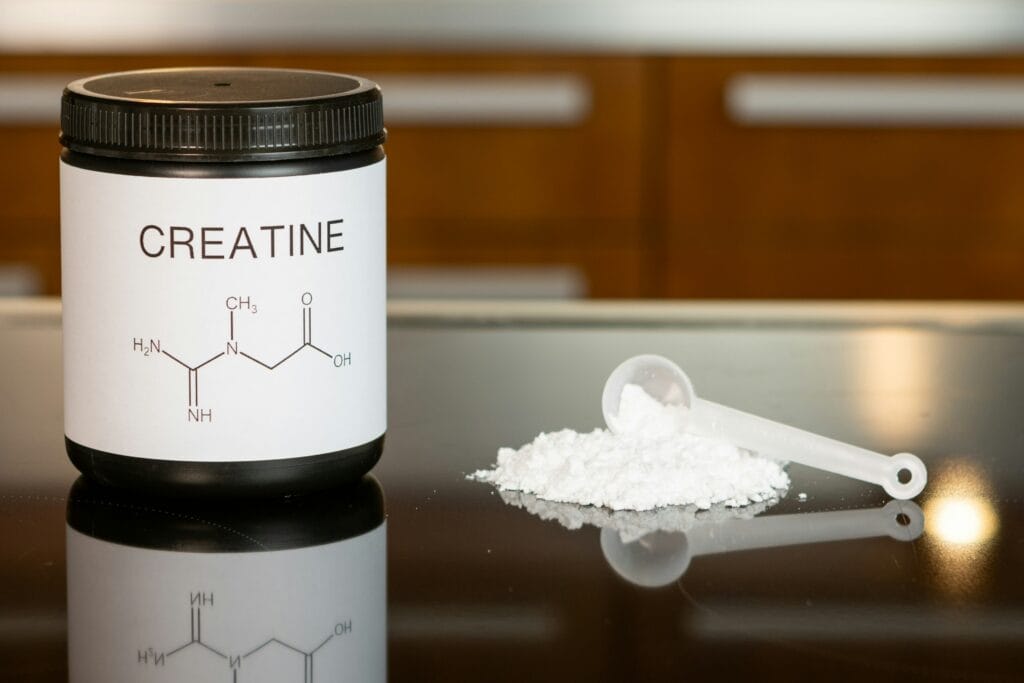
Creatine is one of the most studied supplements globally. It is vital for recovery, even though many use it for performance. Creatine helps muscles refill energy faster. This reduces exhaustion and speeds up recovery between workouts. When energy levels normalize, the muscles heal more effectively. Regular daily creatine intake supports strength, power production, and general training quality. Additionally, it works well with protein powder, making it easy to include in a recovery routine.
This is the creatine I take daily, and I’ve noticed faster recovery and more energy during my workouts. It pairs perfectly with protein for a solid recovery routine.
BCAAs and EAAs: Do They Make a Difference?
Branched-chain amino acids (BCAAs) and essential amino acids (EAAs) are common supplements used during workouts. Even though some studies show mixed results, many people still have noticeable benefits, especially if their daily protein intake is not optimal.
EAAs provide all essential amino acids that the body cannot make on its own. When taken during exercise, they can improve general recovery, keep muscles hydrated, and slightly reduce muscle breakdown. Even though the impact might not be noticeable for those who already eat enough protein, many people still value how these supplements make their workouts feel easier and less draining.
Want to try EAAs for better training hydration? See my recommended option here. Helps reduce fatigue and supports muscle repair.
Omega-3 Fatty Acids: Supporting the Body’s Inflammation Response
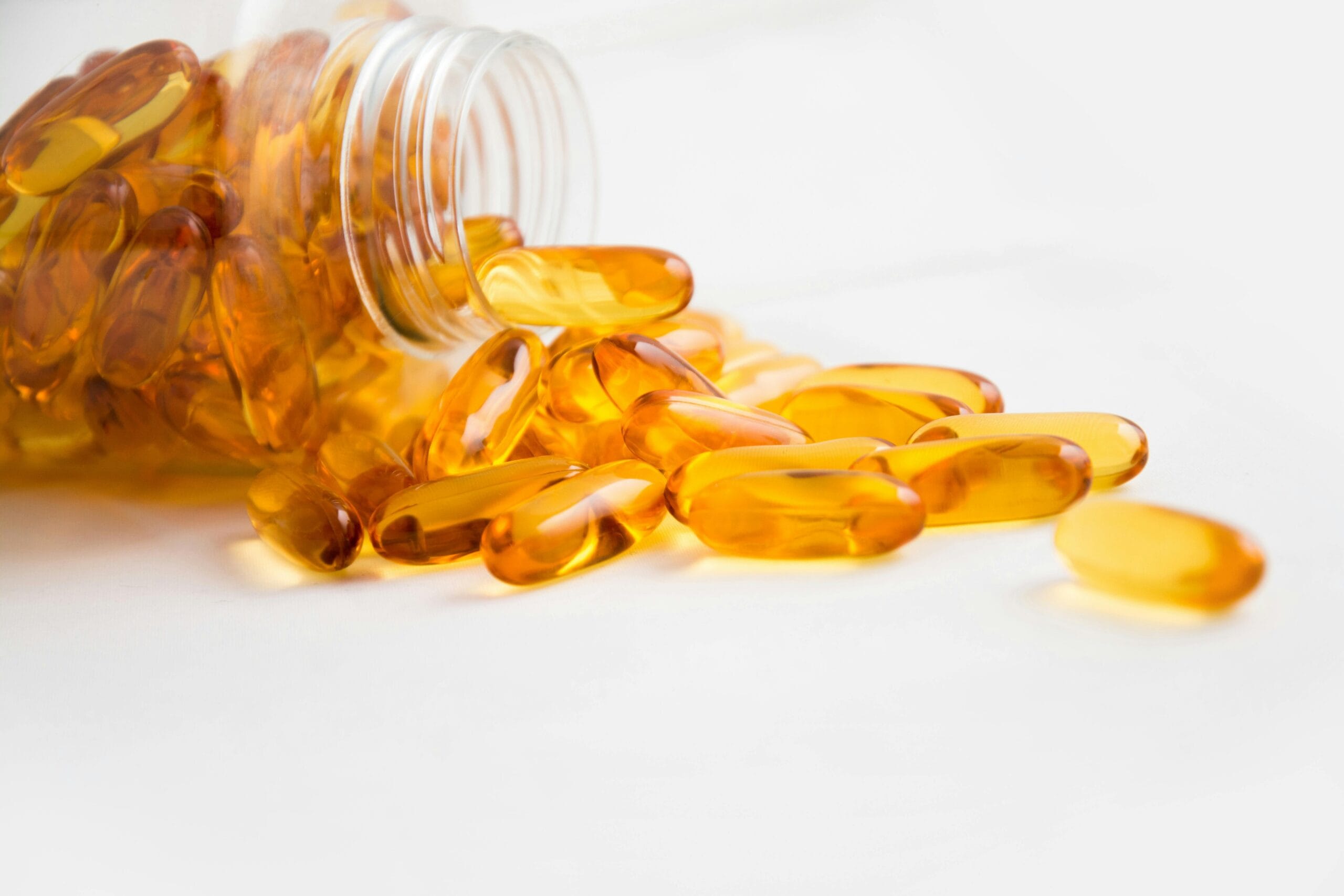
The benefits of omega-3 fatty acids go well beyond their well-known support of heart and brain health. They assist the body in controlling inflammation, which often rises following hard training sessions. By reducing this inflammation, they speed up healing and lessen pain in the muscles. Because of this, they are especially useful for those who train regularly or lift heavy. Taking these supplements often can also support joint comfort. This is important for long-term fitness. Omega-3 fatty acids often offer benefits outside of the gym since inflammation impacts many aspects of performance.
I take this omega-3 supplement every day to support my joints and overall inflammation. It really helps me feel less stiff after heavy lifting.
Magnesium: An Underrated Mineral With Major Impact
Magnesium is essential for neuron function, energy production, and muscle relaxation. Symptoms like cramps, muscle tightness, or difficulty recovering after exercise are often caused by low magnesium levels. This is why magnesium is one of the most underrated recovery tools. Additionally, it supports sleep quality, which is crucial for muscle recovery. Supplementation can be more effective and easier on the stomach by selecting formulations like magnesium glycinate or citrate. Magnesium promotes general recovery rhythm and relieves tense muscles when taken on a regular basis.
Need help relaxing your muscles and improving sleep? Check out my favorite magnesium supplement here. Perfect for daily recovery.
L-Glutamine: Helpful for Gut and Muscle Recovery
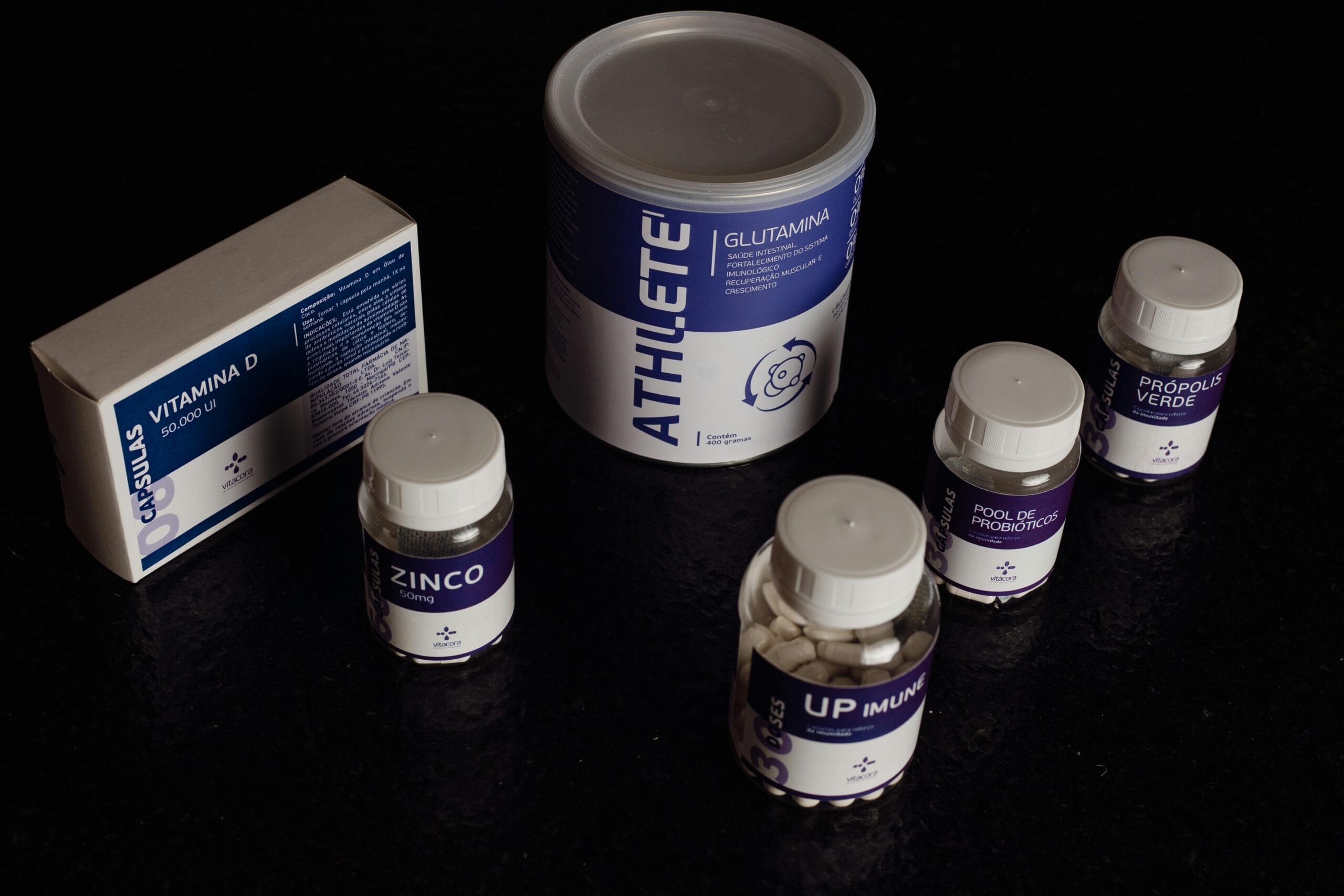
L-glutamine is an amino acid that supports gut health and muscle repair. Many people notice less soreness when they use it consistently, despite mixed information about muscle healing. It is especially helpful when the body is under extra stress or during periods of hard training. Glutamine can improve digestion and nutrient absorption since it supports the gut lining, which indirectly helps in recovery.
I take this L-glutamine during tough training periods. It helps with gut health and supports muscle recovery, making me feel less sore.
Collagen: Supporting More Than Just Skin Health
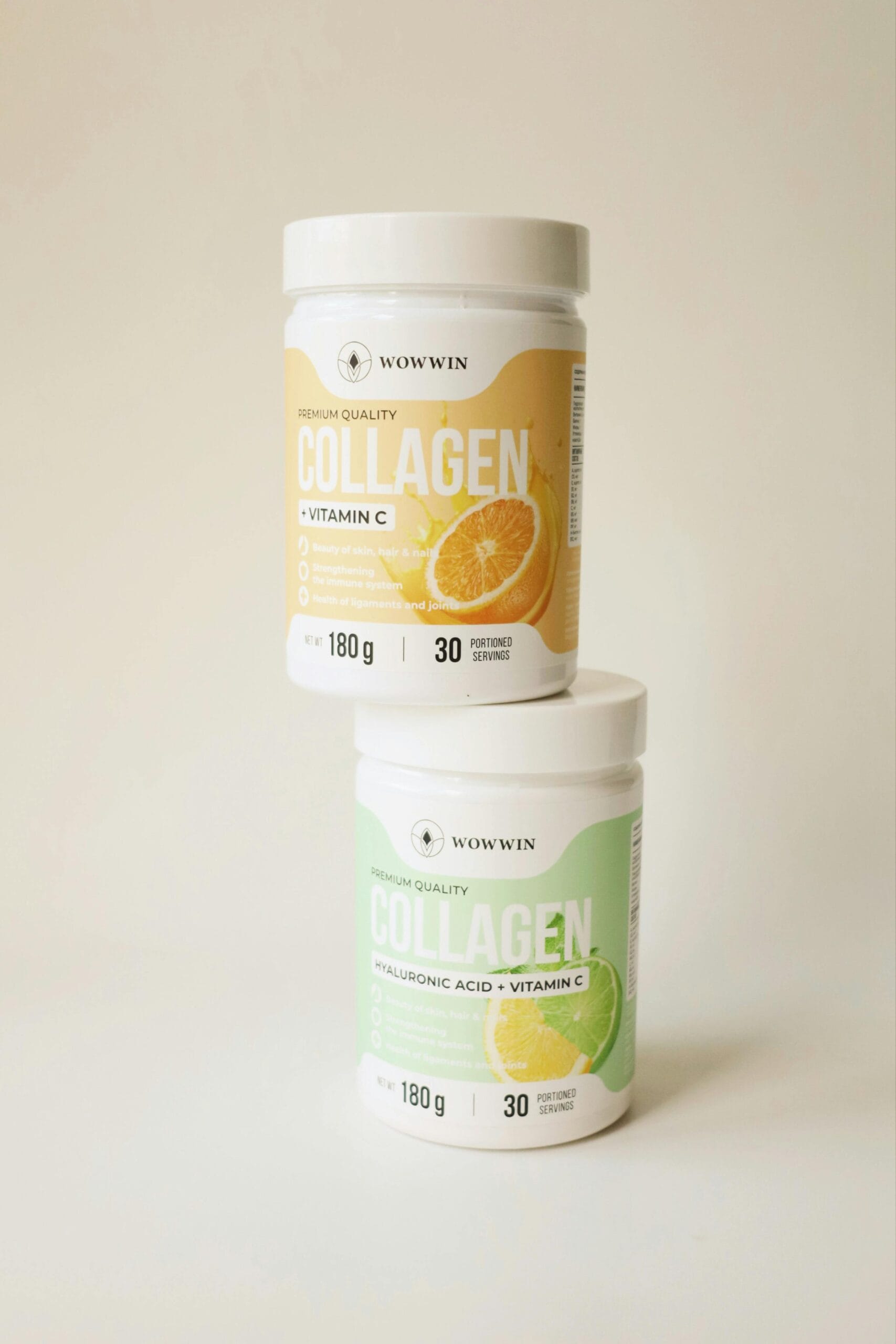
Although collagen is more often used for skin and hair, it is also important for joint, tendon, and ligament health. Strong connective tissue is key for long-term fitness because it keeps the body stable during movement. Recovery slows down and pain increases if joints or tendons feel weak or stressed. Collagen supplements can make these tissues stronger. They also reduce the chance of overuse injuries. Many people notice smoother recovery when they combine collagen with vitamin C.
This collagen has been great for my joints and connective tissues. After a few weeks, I noticed better stability in my workouts and less discomfort.
Electrolytes: Hydration That Supports Recovery
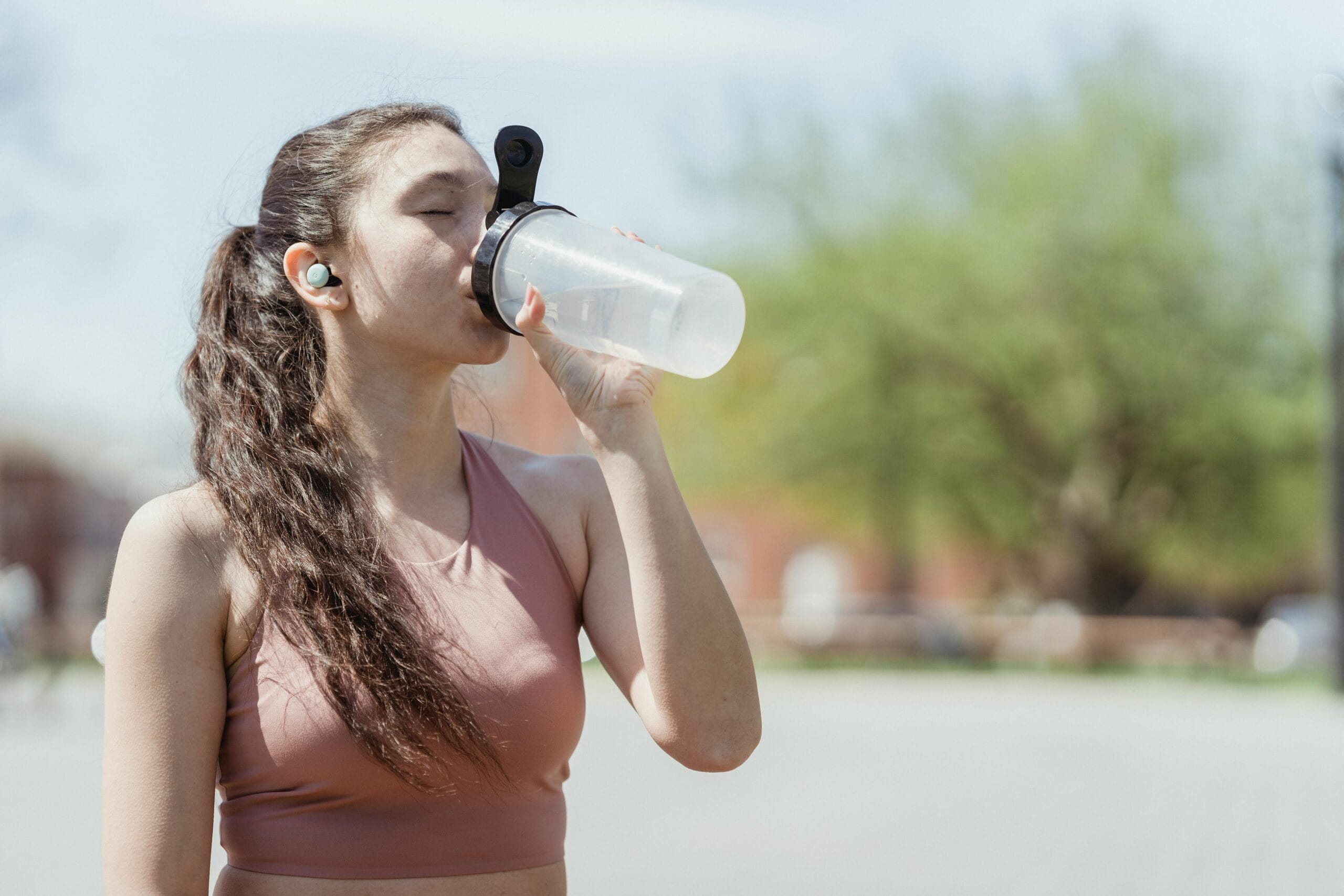
Despite being one of the easiest ways to aid with recovery, hydration is sometimes disregarded. When you sweat, your body loses electrolytes, including magnesium, potassium, and salt. If these minerals aren’t replaced, muscle function may decrease, and cramping may occur more often. Electrolyte powders provide a quick and helpful way of recovering low electrolyte levels after exercise. They are especially helpful for long workouts, hot temperatures, and people who sweat a lot. Staying hydrated helps muscles relax, improves performance, and reduces overall tiredness.
If you want to maintain strong hydration during training, discover my favorite electrolytes here. Keeps you energized during workouts.

How These Supplements Work Together
You are not required to use all of the supplements mentioned above. Selecting a few that fit your schedule can make a big difference. A straightforward combination like protein powder, creatine, and magnesium provides powerful support for both muscle repair and general recovery. Those seeking a more complete approach can use collagen, omega-3s, or EAAs depending on their needs. The body recovers more quickly and consistently when the proper nutrients are paired with smart training practices.
Lifestyle Habits That Boost the Results of Your Supplements
Supplements work best when combined with good habits. Eating balanced meals, drinking water throughout the day, and getting adequate sleep all aid in the healing process. Stress reduction, mobility exercises, and gentle stretching also help in quicker recovery and improved performance. When you follow these habits, you can get much greater outcomes from your recovery supplements.
Safety, Quality, and What to Look For in Supplements
Choose products from trusted brands. Not all supplements have the same quality. Seeking supplements with clean ingredients, clear labels, and independent testing is beneficial. Reading reviews from other users can also help. You may find more details on the official National Institutes of Health website if you’re interested in learning more about scientific findings and supplement safety.
What Makes These Supplements Effective for Muscle Repair?
Protein powder, creatine, magnesium, omega-3 fatty acids, collagen, and electrolytes are among the few products that genuinely stand out as the greatest supplements for muscle repair. By supporting the body in various but complementary ways, these vitamins help you feel better after working out. With consistency, healthy habits, and the appropriate supplements, your recovery will go more smoothly, your progress will be easier to see, and your training experience will be more pleasurable.